We Are Professional & Established Kitchen Fitting Company. Need Any Help?
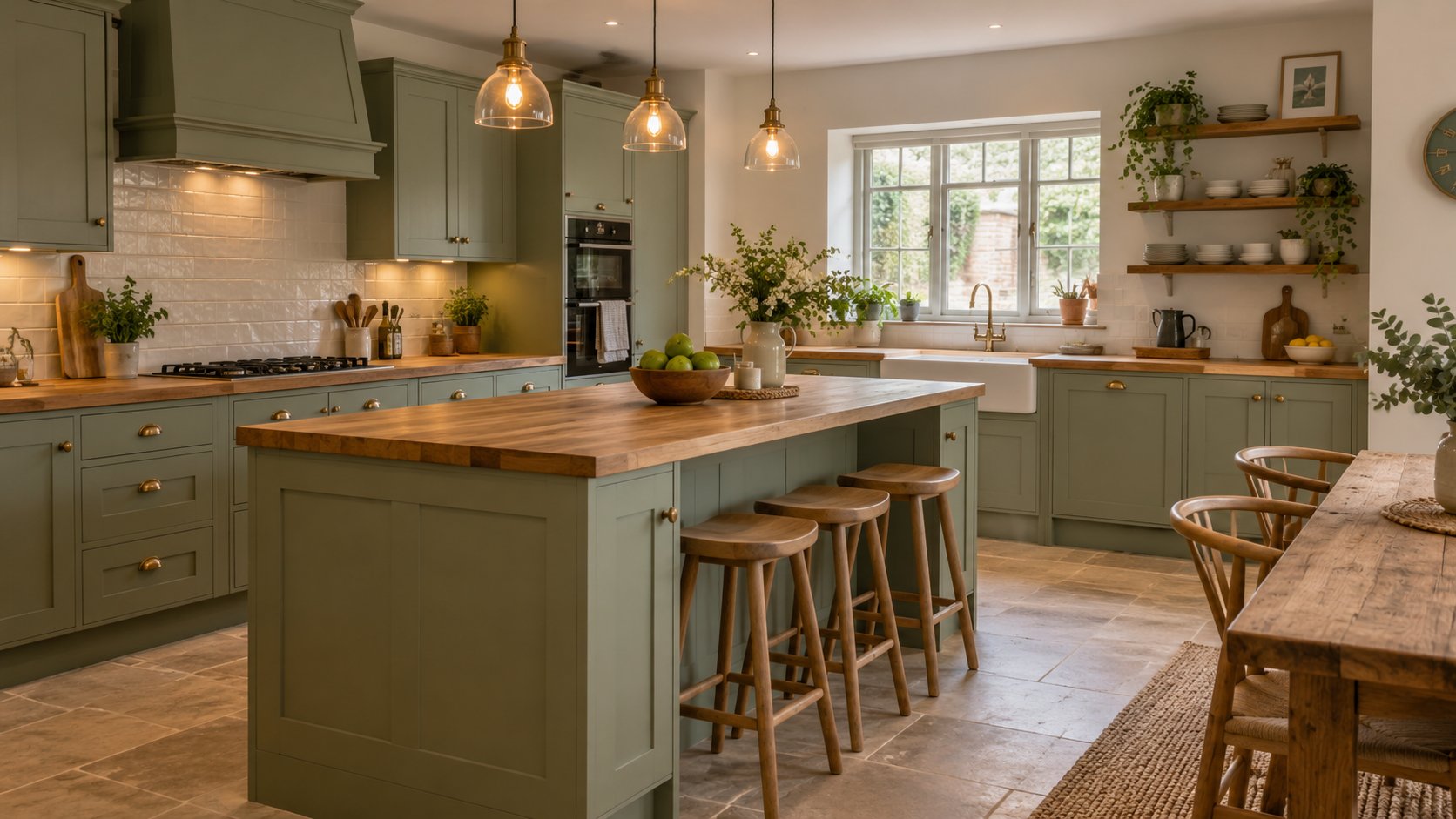
Buying a kitchen from a major retailer can make the process feel fairly straightforward at first. You choose the style, layout, units and worktops, arrange delivery, and then need to decide who will actually install it.
While retailers such as B&Q, Wren, IKEA and Wickes may offer their own fitting options, many homeowners prefer to arrange an independent kitchen fitter instead.
Most experienced kitchen fitters can work with kitchens from a wide range of suppliers, but that does not mean every installation is exactly the same.
Different brands can use different cabinet systems, assembly methods and fittings, so choosing someone who is comfortable working across several kitchen ranges may help the job run more smoothly.
A skilled kitchen fitter should generally be able to install kitchens from most mainstream manufacturers and retailers. The core parts of the job remain similar, including setting out the room, fitting base and wall units, levelling cabinets, installing worktops and making sure doors, drawers and panels are correctly aligned.
The differences tend to appear in the smaller details. One kitchen may arrive fully assembled, while another may require much more construction on site.
Fixing systems, cabinet depths, service voids, plinths and internal fittings can also vary, which means a fitter needs to understand the system they are working with rather than treating every kitchen in exactly the same way.
Kitchen ranges from different retailers are designed and manufactured in different ways. Some cabinets arrive flat packed and need assembling before they can be fitted, while others may be delivered already built.
Wall mounting systems, hinges, drawer runners, end panels and corner solutions can also differ from one manufacturer to another.
IKEA kitchens, for example, may use installation methods that differ from more traditional British kitchen ranges, while B&Q, Wickes and Wren each have their own cabinet designs and accessories.
These differences are rarely a problem for an experienced fitter, but they do mean that careful planning and familiarity with the supplied components can be useful.
Previous experience with a particular kitchen brand can make certain parts of the installation easier.
A fitter who has worked with the same range before is likely to understand how the cabinets go together, how the finishing panels are intended to be fitted and where common installation issues may appear.
That familiarity can also help if something does not arrive quite as expected. Kitchen installations sometimes involve minor adjustments, unexpected gaps or components that need replacing.
Someone who regularly works with several manufacturers may be better placed to spot these issues early and suggest a practical solution without unnecessarily delaying the project.
Yes, independent kitchen fitters commonly install kitchens purchased from major retailers.
You do not usually have to use the installation service offered by the company you bought the kitchen from, although it is always worth checking the terms of your order and any guarantees that apply.
Using an independent fitter can give you more choice over who carries out the work and may make it easier to discuss the project directly with the person completing the installation.
It can also be useful if your kitchen requires extra alterations, bespoke finishing work or coordination with plumbers, electricians and other trades.
Before choosing a fitter, ask whether they have experience installing kitchens from the retailer you have purchased from.
It is also worth discussing the full scope of the work, including cabinet installation, worktops, appliances, plumbing, electrical work, removal of the existing kitchen and any finishing work that may be required.
A clear quotation can help avoid confusion later on. Make sure you know what is included, what may cost extra and how long the fitter expects the work to take.
You should also discuss when the kitchen is being delivered so the installation can be planned around the availability of all the necessary units and components.
Missing, damaged or incorrect components can occasionally happen when a new kitchen is delivered. For this reason, it is worth checking the delivery carefully before installation begins.
If an important cabinet, door or fitting is missing, the retailer may need to arrange a replacement before that part of the kitchen can be completed.
There are also occasions where the original design does not quite match the reality of the room. Walls may be uneven, pipework may be positioned differently than expected or small adjustments may be needed around doors and corners.
An experienced kitchen fitter can often work around these challenges and advise where replacement parts or changes to the original plan may be necessary.
Whether your kitchen has been purchased from B&Q, Wren, IKEA, Wickes, Howdens or another supplier, DW Fittings can take care of the installation from start to finish.
Our team is experienced in fitting kitchens from a wide range of brands and can work with different cabinet systems, layouts, appliances, worktops and finishing requirements.
We can also install bespoke kitchens and custom layouts, so you are not limited to the major high street retailers.
If you have already ordered your kitchen or are still deciding which supplier to choose, get in touch with DW Fittings to discuss your project and arrange a quote for professional kitchen installation.
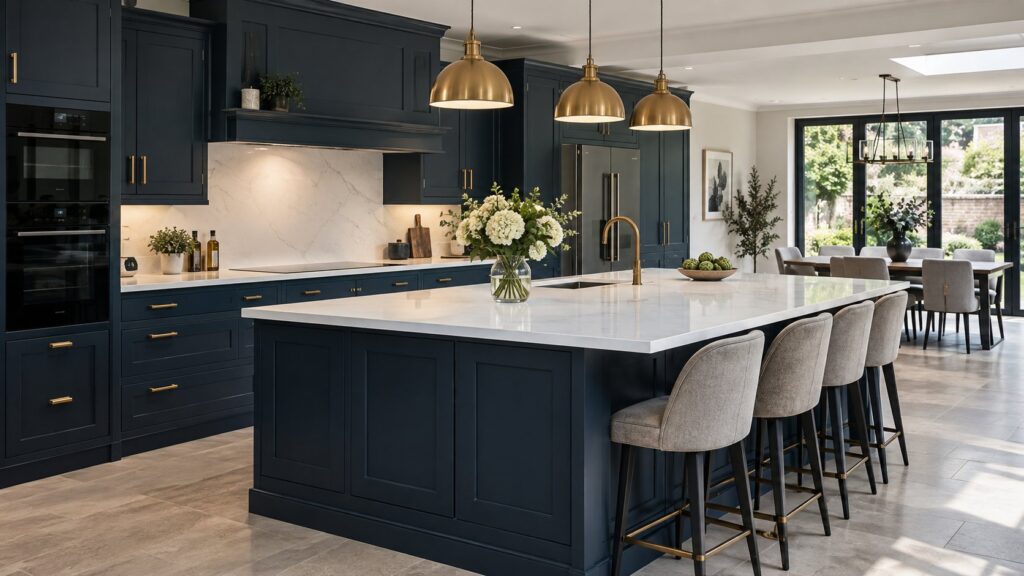
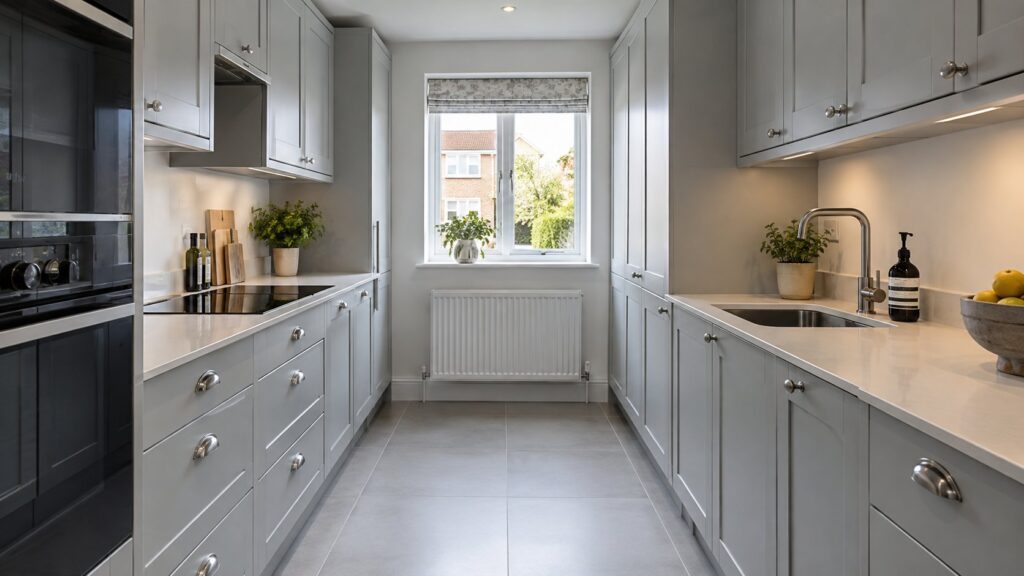
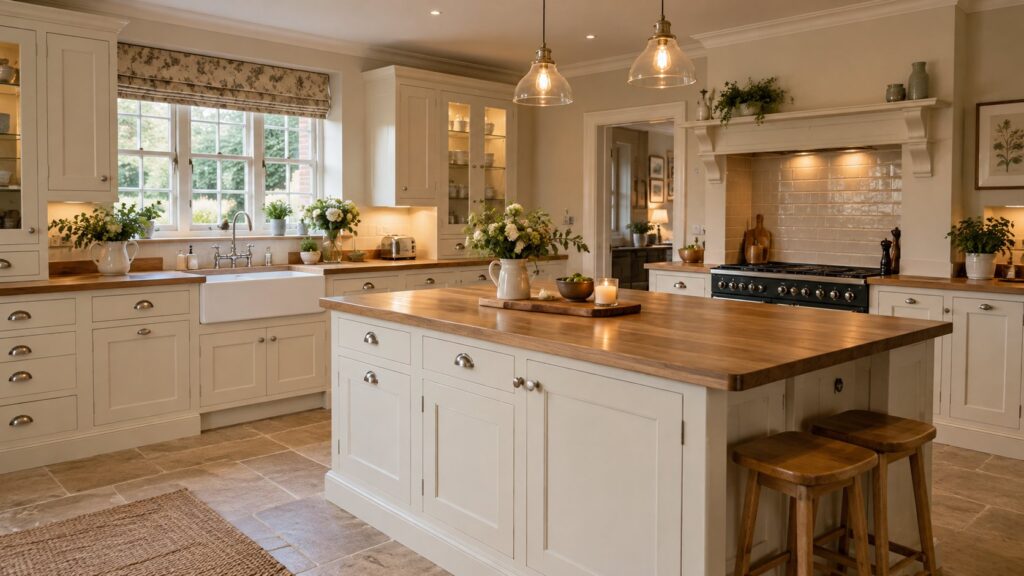

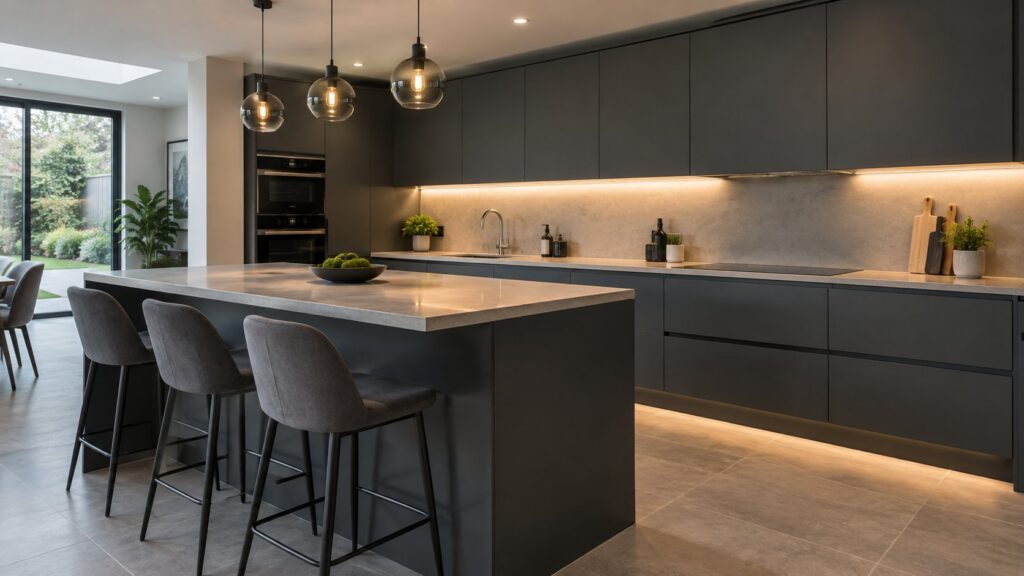
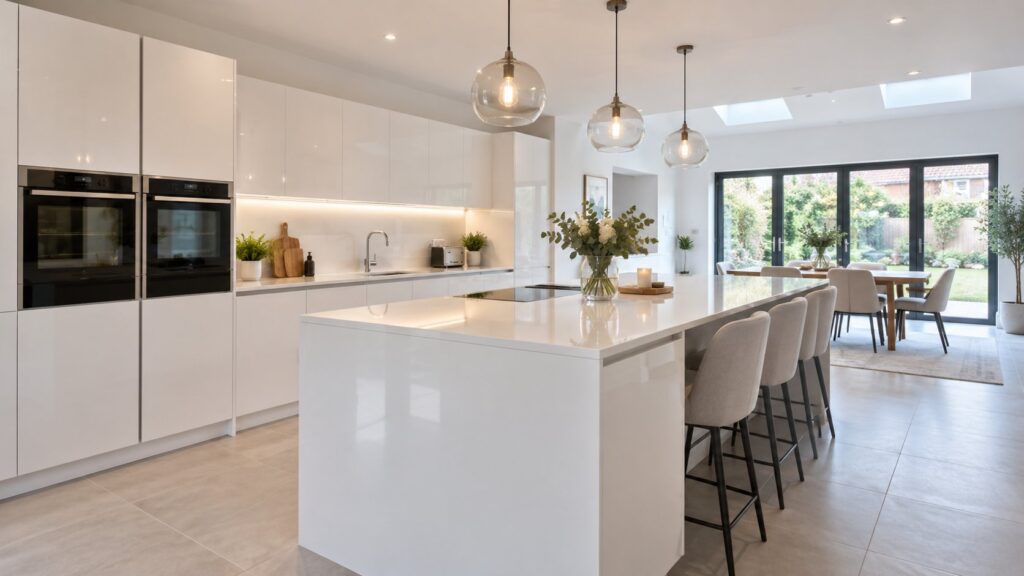
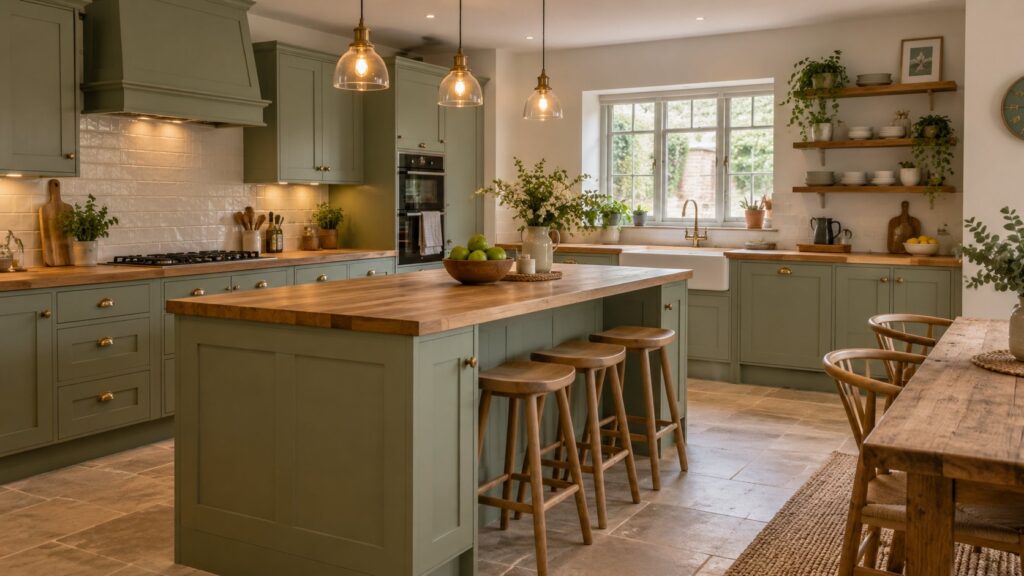

Professional kitchen fitting services in Southampton and the surrounding areas. From cabinets and worktops to complete kitchen installations, we help bring new kitchens together with careful, reliable fitting.
DW Fittings © 2026 All rights reserved