
We Are Professional & Established Kitchen Fitting Company. Need Any Help?
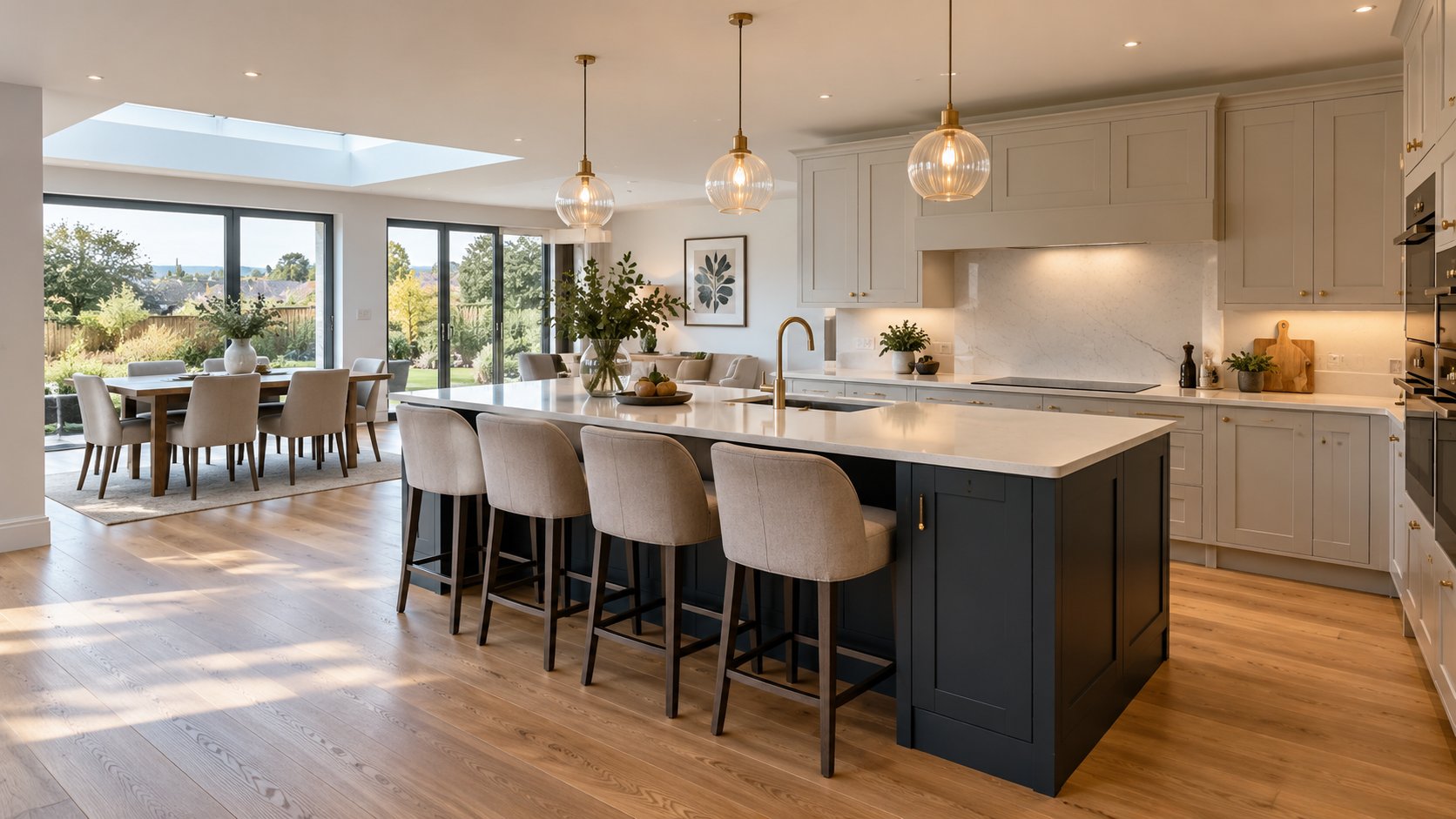
Most kitchen installations take several working days rather than a single visit. A straightforward replacement in a prepared room might be fitted within a week, while a larger renovation involving plastering, new services, specialist worktops and flooring can take two weeks or longer. Your timescale depends on the complete scope, not only the speed at which cabinets can be installed.
You can plan more confidently when you separate active fitting time from pauses between trades, deliveries and specialist visits. A realistic programme includes preparation, first-fix services, cabinet fitting, worktops, final connections and finishing work. It should also leave some room for unexpected repairs or replacement parts.
The first stage is usually removal and preparation. Your old kitchen is taken out, the room is inspected and any necessary repairs are identified. Plumbing and electrical first-fix work may follow before walls are plastered or made ready. Depending on the condition of the space, this can take one to several days.
Cabinet installation then forms the central part of the job. Once base and wall units are level and secure, standard worktops, panels, doors and trims can be fitted. Appliances and services are connected at the appropriate point, followed by adjustments, sealing and checks.
If you want more detail about these responsibilities, see what a kitchen fitter actually does during an installation.
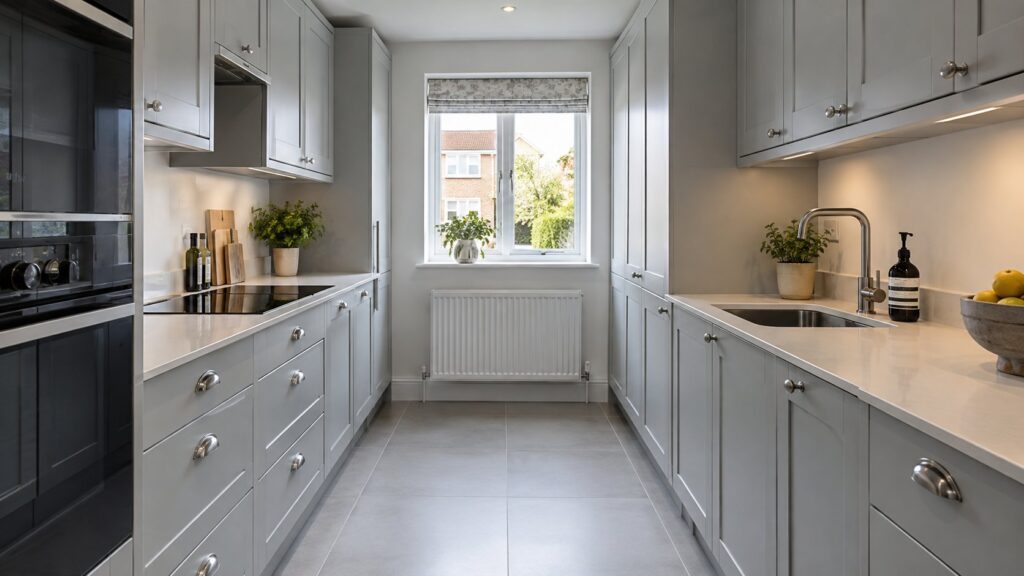
A small galley with a simple run of units normally takes less time than a large room with an island, several tall housings and multiple corners. Every cabinet must be assembled or checked, levelled, joined and fixed. Decorative panels, filler pieces and handle layouts also add work even when they look minor on the plan.
Complex layouts need more careful setting out. An island has to align with the surrounding room while maintaining safe circulation space. Corners and uneven walls require accurate scribing, and changes in floor level can make levelling slower. Your fitter should assess these details before giving you a firm programme.
A room that is empty, structurally sound and ready for units allows fitting to begin promptly. If the old kitchen is still in place, its removal needs to be included. Hidden damp, damaged plaster, rotten flooring or unsuitable services may only become clear once cabinets and coverings have been removed.
You can reduce avoidable delay by clearing belongings, arranging access and confirming how waste will be handled. Check that the new kitchen has arrived and that key parts are present before the fitter reaches the stage where they are needed. Missing cabinets or damaged doors do not always stop the entire project, but they can create return visits.
Laminate and timber worktops can often be measured, cut and fitted on site as part of the main installation. The fitter still needs time for joints, sink and hob openings, exposed edges and sealing. A complicated shape or several corners will take longer than a single straight run.
Quartz, granite and some solid-surface worktops usually follow a template-and-return process. The base cabinets must be installed first so a specialist can take final measurements. Fabrication then happens away from your home before a separate fitting visit. During that gap, parts of the kitchen may be usable, but the sink or hob cannot normally be completed.
Your project may involve several people whose work has to happen in the right order. First-fix plumbing and electrics are completed before access is blocked by cabinets. Final connections follow after the sink, worktop and appliances are positioned. Gas, significant electrical changes and specialist materials require appropriately qualified installers.
A coordinated team can keep the sequence moving, but availability still matters. If you arrange trades separately, give each person the current programme and confirm what must be finished before the next visit. One incomplete cable, pipe or plastering task can prevent a whole run of units from being fitted.
Kitchen orders contain many separate components, and a single missing item can affect several later steps. A delayed corner cabinet may stop adjoining units and worktops, while a missing door might be fitted during a short return visit without delaying the functional kitchen. The impact depends on where the part sits in the sequence.
Inspect the delivery as early as possible and compare labels with the order. Store items safely without mixing boxes or damaging panels. If something is wrong, contact the supplier promptly and tell your fitter the expected replacement date. This allows the programme to be reorganised instead of discovering the issue at the last moment.
Ask for an estimated start date, working-day range and explanation of any planned gaps. A promise that fitting takes five days may refer only to the installer’s labour, not elapsed time from removal to final completion. Specialist worktops, curing plaster and supplier lead times can extend the calendar.
You should also keep a modest contingency in the programme. Older rooms frequently reveal small repairs, and weather, deliveries or trade availability can change. When discussing timings with DW Fittings or another installer, identify which dates are fixed and which are estimates so you can make practical arrangements.
Before accepting the finished room, allow time for a practical handover. Open doors and drawers, inspect joints, test the agreed appliances and record any remaining adjustments. Small snagging items may be completed quickly, but replacement doors or trims can require a later delivery. Treat that return visit separately from the point at which the kitchen becomes safe and usable.
A simple kitchen replacement may take around a week of active fitting, while a broader renovation can take two weeks or more and may include gaps for specialist work. Size, condition, service changes, worktops, appliances and deliveries all influence the result.
Your best guide is a written programme based on the actual design and room. Confirm the responsibilities of every trade, check deliveries early and allow for realistic pauses. That gives you a far more useful expectation than treating cabinet installation as the whole project.


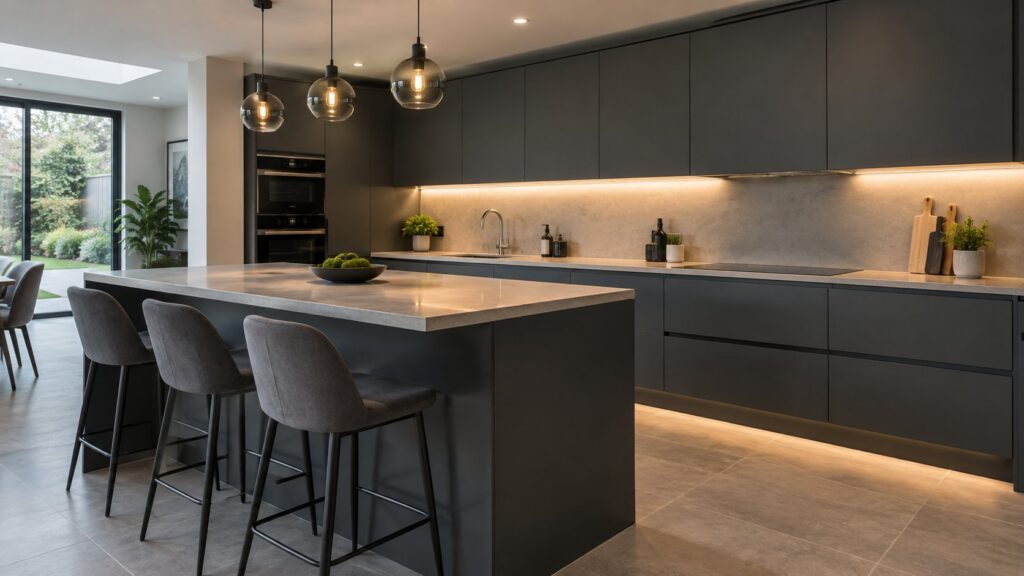
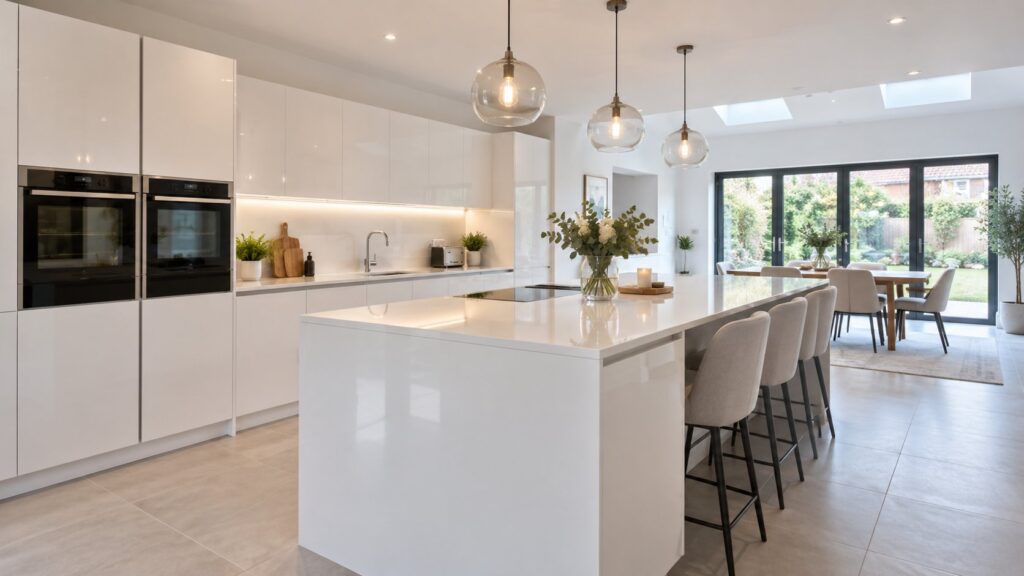

Professional kitchen fitting services in Southampton and the surrounding areas. From cabinets and worktops to complete kitchen installations, we help bring new kitchens together with careful, reliable fitting.
DW Fittings © 2026 All rights reserved