
We Are Professional & Established Kitchen Fitting Company. Need Any Help?
Choosing a kitchen fitter is easier when you ask every candidate the same practical questions. A friendly conversation is useful, but you also need clear information about experience, scope, pricing, trades, timing and responsibility when something changes. The answers should help you understand how the project will actually be managed.
You do not need to interrogate a fitter or know every technical term. Your aim is to remove assumptions before the room is dismantled and money is committed. Write down the important points and make sure the final quotation reflects what you discussed.
Ask about experience with your supplier, cabinet construction and worktop material. Most competent fitters can work with a range of kitchens, but flat-pack units, handleless systems, bespoke cabinets and specialist surfaces have different details. Familiarity can make planning quicker and help the fitter recognise missing or incorrect components.
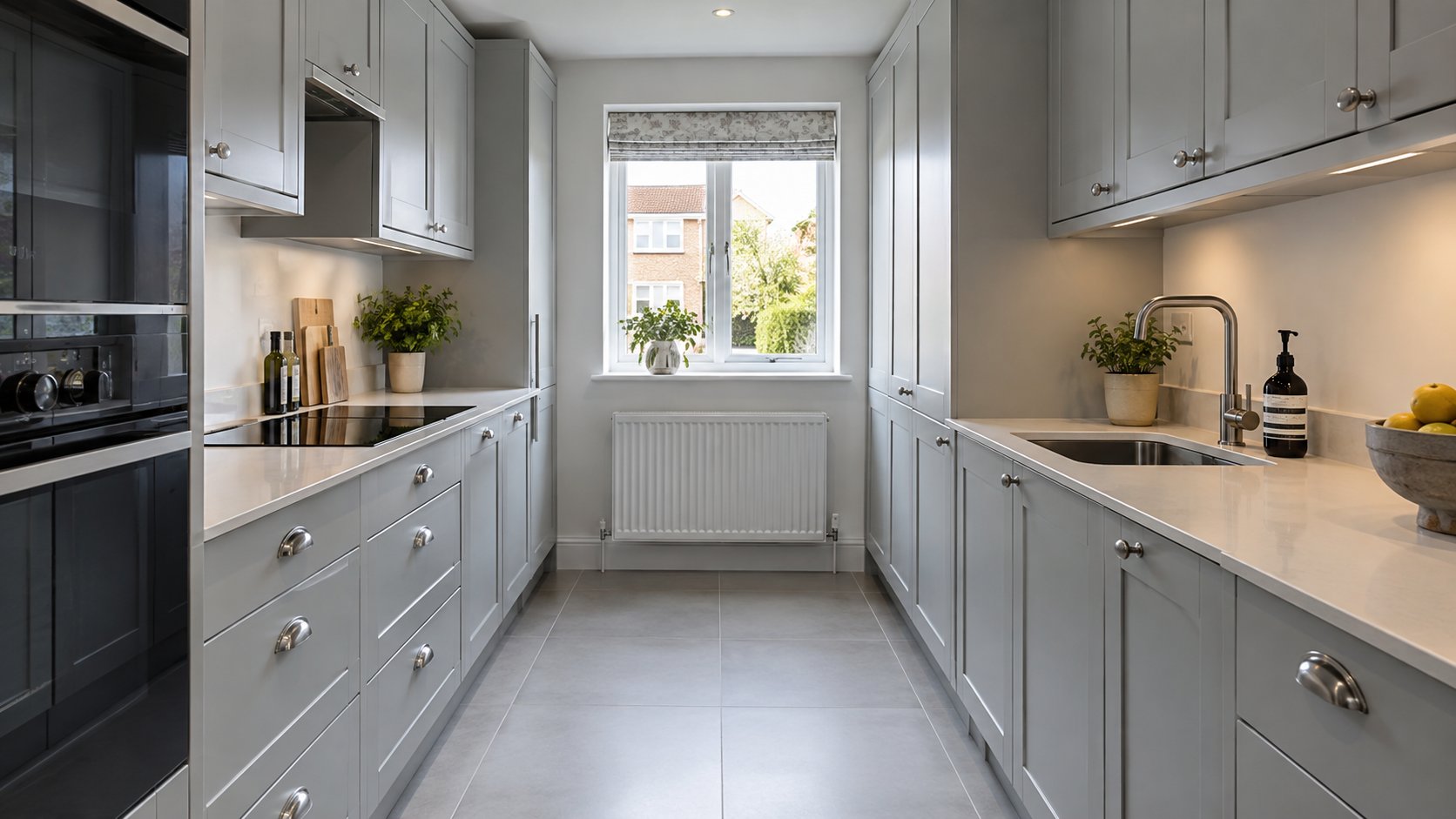
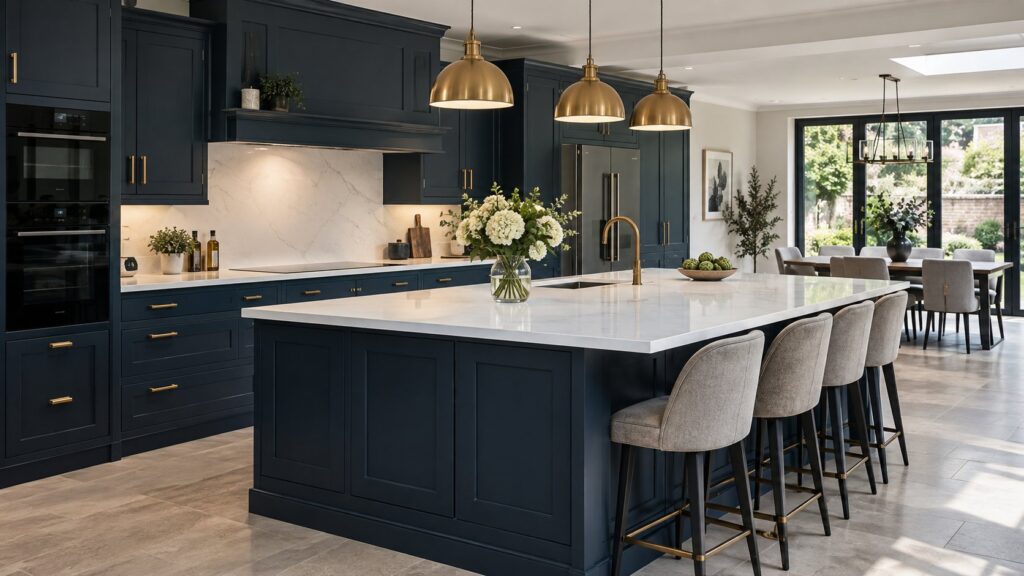
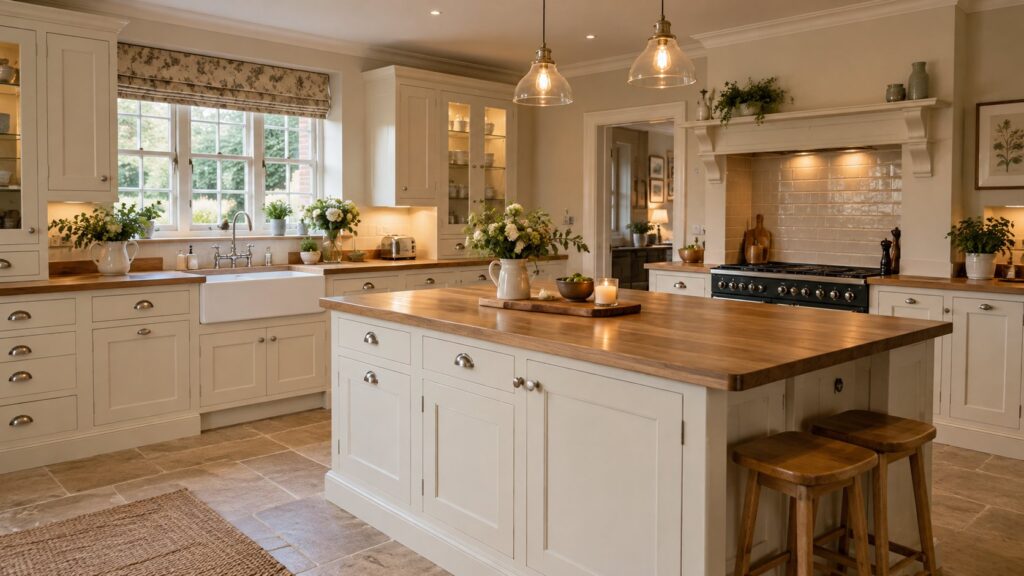
You can request examples of similar completed work and, where appropriate, recent references. Look for comparable layouts rather than judging only glossy photographs. A large island kitchen and a compact galley create different fitting challenges.
If you are buying from a major retailer, this guide to fitting kitchens from different brands explains why the cabinet system is worth discussing.
Ask whether the price includes removing the old kitchen, waste disposal, assembling units, fitting worktops, installing panels and handles, positioning appliances and completing seals and adjustments. Clarify tiling, flooring, decorating and plastering because these are often separate.
Do not rely on phrases such as complete installation without a breakdown. A detailed scope lets you compare quotes and understand what you must arrange yourself. It also provides a useful reference if a task is questioned later.
Ask who supplies fixings, sealants and minor plumbing materials, and whether VAT is included. Small exclusions can add up across a full project.
Your kitchen may need water supplies, waste pipes, sockets, lighting, cooker circuits, extraction or gas connections. Ask whether the fitter completes any of this work personally and what qualifications apply. Where specialists are needed, find out whether the fitter supplies and coordinates them or expects you to book them.
Confirm whether trade costs are included in the main quote. If they are estimates, ask how final prices will be agreed. You should also know who provides certificates for notifiable or regulated work and when those documents will be issued.
Ask about public liability insurance and any other cover relevant to the project. Insurance does not replace competence, but it is a basic protection if accidental damage occurs. You can request current evidence rather than relying on a verbal assurance.
Discuss the workmanship guarantee, what it covers and how long it lasts. Product guarantees normally come from the kitchen or appliance manufacturer, while installation guarantees relate to the fitter’s work. Ask who you contact if a door moves, a joint fails or another fitting issue appears after completion.
Ask for an estimated start date, number of working days and any planned gaps for plastering, worktops or other trades. A five-day fitting estimate may not mean the entire room is finished within one calendar week. Specialist fabrication and replacement parts can extend the elapsed time.
Find out how many people will usually be on site and whether the fitter is working on other projects at the same time. Discuss access hours and how changes to the programme will be communicated. Our article on how long kitchen fitting takes outlines the stages that commonly affect timing.
Ask when the kitchen and appliances must be delivered, how they should be stored and whether you should check every component. Confirm who clears the room, disconnects old appliances and arranges parking or access. A simple preparation list helps both sides arrive ready.
You should also discuss keys, alarms, pets and household routines. If you will not be present, agree who can approve decisions and how the fitter will contact you. Preparing these details reduces pauses once work has begun.
Even careful plans can reveal uneven walls, damaged flooring, unsuitable services or missing parts. Ask how the fitter records a variation, explains its effect and obtains approval before doing extra work. You should know whether labour is charged at a set rate or priced for each change.
Request a clear payment schedule. Deposits, staged payments and final balances should be linked to understandable points in the project. Avoid ambiguity about materials ordered by the fitter and retain records of payments and agreed changes.
When comparing DW Fittings with any other installer, consistent written questions make the differences in scope and approach much easier to see.
It is also worth asking what happens if the delivery or another trade forces the start date to move. Find out how much notice either side must give, whether rescheduling charges apply and how long the fitter can hold a revised date. This is especially important when several jobs are booked around one another.
Ask who will be present each day and whether apprentices or subcontractors are supervised. Confirm how your property will be secured, how dust and tools are managed, and what condition the room should be left in at the end of a working day. These practical details often have a greater effect on your experience than technical promises alone.
The best questions focus on evidence and responsibility: relevant experience, detailed inclusions, qualified trades, insurance, guarantees, timing, preparation, changes and payment. Clear answers should leave you knowing who does what and how the project will move from delivery to handover.
Keep a copy of the plans and correspondence for reference. Take notes and ask for important commitments to appear in the written quote. A fitter who explains the process plainly gives you a stronger basis for planning than one who offers only a price and start date.
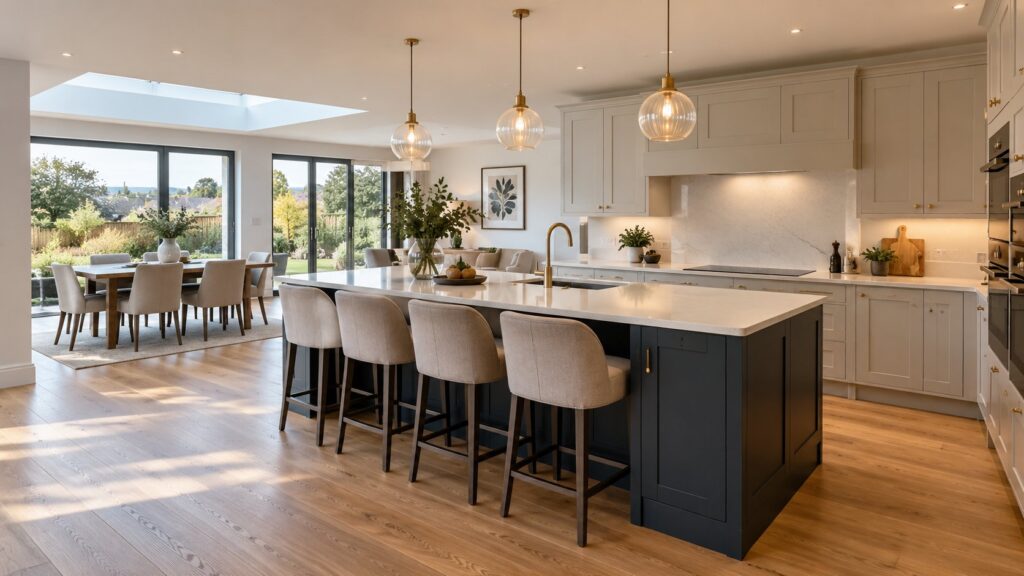
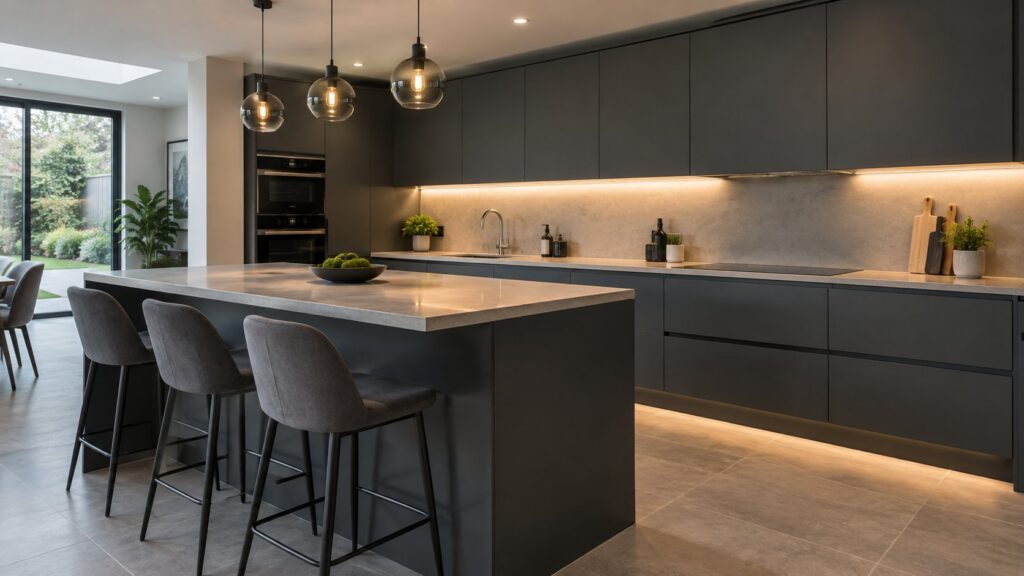
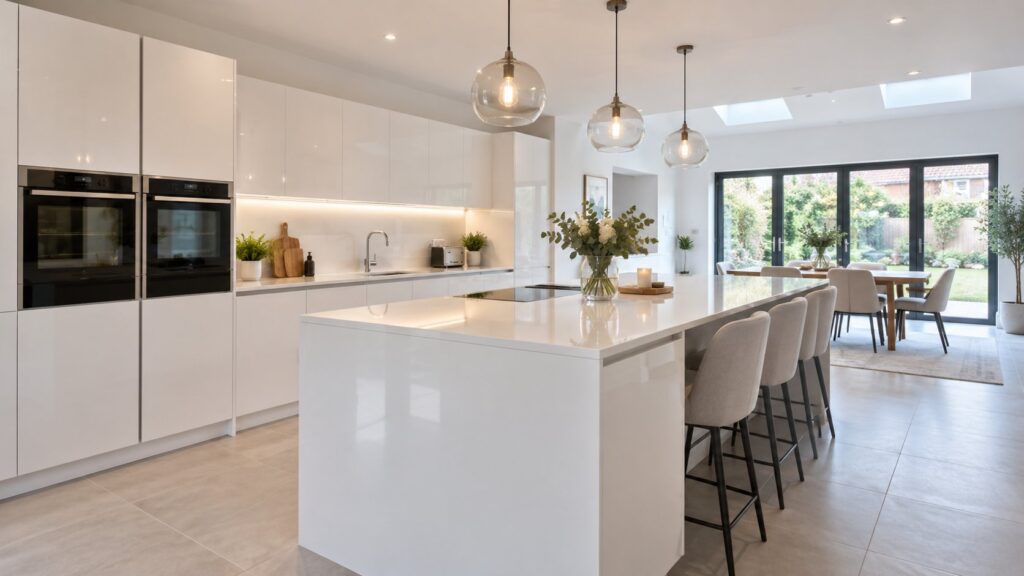
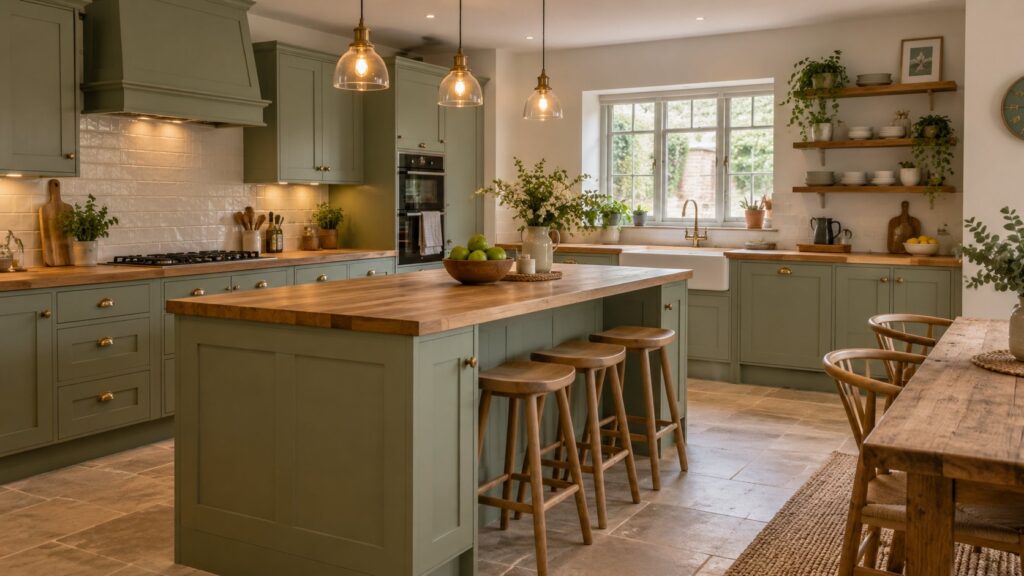

Professional kitchen fitting services in Southampton and the surrounding areas. From cabinets and worktops to complete kitchen installations, we help bring new kitchens together with careful, reliable fitting.
DW Fittings © 2026 All rights reserved